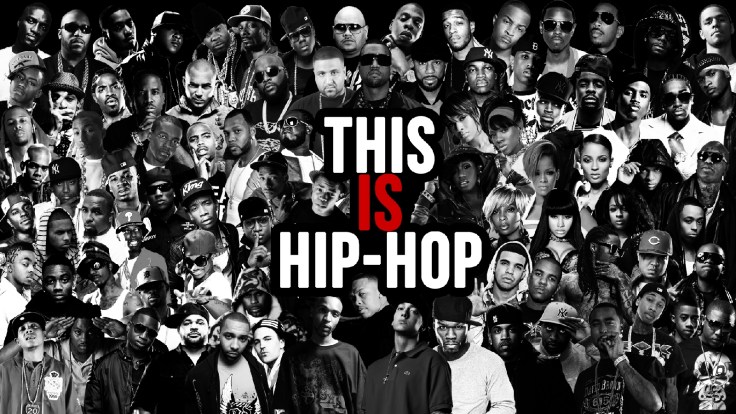
 A few weeks ago a friend of mine from Europe and I went to see the movie “Hidden Figures”. After the film, she asked me who in the USA spoke on behalf of the black people. “In the 50s and 60s, there were several civil rights activists such as Malcolm X, Martin Luther King, and John Lewis. Later in the 90s, rappers 2pac and NWA were the most prominent voices of the black community. More recently, I believe, these are TI and Chance.”
It is not a coincidence that the last four people I mentioned were rappers. Hip-hop music was created to be the voice of the voiceless in American society, more specifically the voice of the African American community. Due to the incredible talent of its musicians, hip-hop influence went far beyond the borders of this community, and as a consequence, its original mission was blurred. Hip-hop artists have often been criticized for commercializing their music and departing from their original roots. The question I explore in this article is whether hip-hop should be made solely for entertainment purposes or should it be socially and politically motivated.
Hip-hop was created in black neighborhoods of New York City in the early 1970s. Its unique technique consists of improvised oral poetry (RAP or Rhymes And Poetry) spoken over African-American music that combines elements of jazz, soul, gospel, blues, reggae, among others. Street parties were the scene where MCs (Master of Ceremony) rapped about their personal experience with police brutality, economic segregation, feelings of hopelessness and other important issues in these communities. DJ’s, who would support the MC’s by playing music in the background, had an important role in energizing their message. Within several years, the best MCs and DJs had rapidly expanded their fan base and had become national and international stars.
Hip-hop changed. It was not just a music genre anymore. It became a subculture with its own fashion style, behavior pattern and specific language. Around this period more and more hip-hop artists adjusted their songs to the growing audience and to a new reality. The sharp social content was replaced by themes that sell easier.
In his documentary “Hip-Hop Beyond Beats and Rhymes”, the filmmaker Byron Hurt points out several negative trends in hip-hop music such as stereotyping black men as super masculine, violent, obsessed with drugs, guns and money, misogynist and homophobic, and representing black women as sexually-available objects. At the same time, Hurt raises the question of white people’s involvement in rap and hip-hop, and cultural appropriation, and its implications on racial issues in the U.S.
So, what is the future of hip-hop, if there is any? Who are the most popular hip-hop and rap artists these days and why? Shall hip-hop stick strictly to the entertainment business or should it be socially and politically involved? Is it possible for the hip-hop industry to avoid and go beyond the stereotype of black men as super masculine, violent, obsessed with money, drugs and guns, misogynist and homophobic? How do these images compare with black men in real life? What do people think about the way women are represented in most hip-hop songs? What would young black people say to white young kids who listen to rap and hip-hop music, and adopt hip-hop fashion styles and language, while at the same time are ignorant about the struggle and real problems the black community faces?
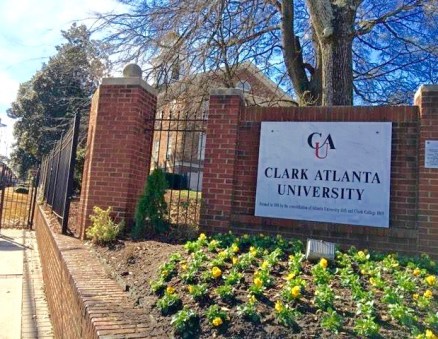
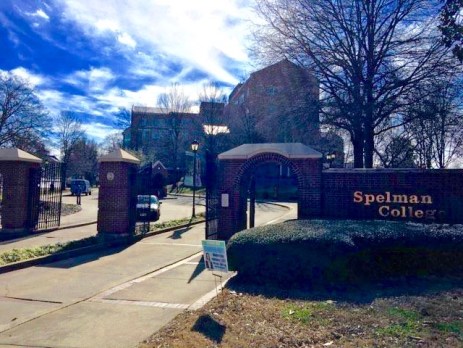
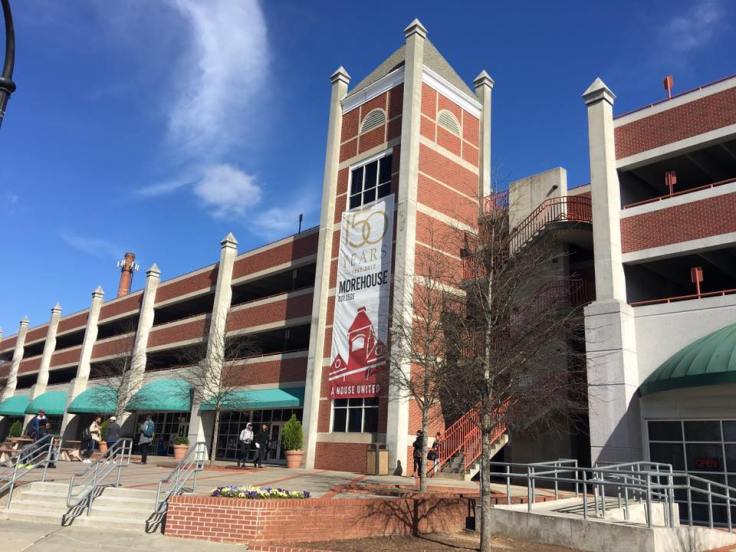
I asked all these questions to 10 students at the three historically black colleges in Atlanta – Clark Atlanta University, Spelman College and Morehouse College. These were their answers.
Adrian Brown, senior at CAU, Fashion
Merchandising Major, 21 years old
Young Thug, Beyonce and Nicki Minaj Have Styles that Influence People
“I try to listen to a lot of different cultures but hip-hop is definitely included, it’s a primary. Right now, I would say Young Thug, Beyonce and Nicki Minaj. Those are the people that really influenced me. Because I am a Fashion Major, I like to be influenced by clothing first. So I really got into their style which lead me to listening to their music. I believe that hip-hop should be more politically-involved. If you have a voice, you should definitely use it for a positive thing and yes, if you have a chance to use your voice for something positive, why not do it?”
“In the past women had a bad image in hip-hop, but things are definitely evolving. I really appreciate they are getting more control over the way they are being perceived. Now you see more leaders and they are doing more with themselves other than just being a video vixen. I personally feel that hip-hop is changing to where it’s being more accepting. You see a lot of androgyny in hip-pop right now. But a stereotype is a stereotype. No matter what you do, it is a connotation as connecting to something. People think that it’s up to you to like say, “OK, I’m not gonna be that.” So, yes, hip-hop can defeat the stereotype.”
“Young white people who listen to hip-hop should first educate themselves about the struggle of the Black community in America. If you are going to partake in something, you should educate yourself about it. If you decide to go to church, you should educate yourself about it. If you decide to join organization, you should educate yourself about it. It is all about educating yourself. In that way, you should know what you are getting yourself into all the time.”
Ashley Kanagahi, freshman at CAU
Young Thug, Kendrick Lamar, J Cole Speak about Real Life Problems
“My favorite hip-hop and rap artists have to be, probably Young Thug, Kendrick Lamar, J Cole, I guess. I like Young Thug just because the music gets you hype, everything is just fun. Kendrick Lamar, J Cole are more real, it’s like real life problems, and they really speak to me, open me up, not just girls and stereotypical things that happen in rap music. I really think hip-hop should be politically involved. I think that if you have a voice, then you should be able to use your voice. If you are higher up than the people who cannot speak for us, then use that voice to speak for us. You know what we are going through, so tell people what we are going through and try to help us get out of this, I don’t want to say poverty because we can go out of it. But we are still struggling. If you could help us not struggle, definitely help us not struggle. If you have a base, if you have a standing, then why don’t you use it.”
“I feel that the hip-hop industry can overcome the stereotype of black men as super-masculine, obsessed with drugs and guns, and violent. But at the same time this is what they grew up on. Their fathers more than likely told them, “No, you can’t be gay, you gonna be this man”. So that’s all they know. When they grow up and they get the voice that I was talking about, of course, they are going to portray to have that lifestyle because this is the lifestyle they grew up on. But I feel that we can get passed that lifestyle. Because now we don’t have that lifestyle any more. The men in my real life do not act like that. My father is very open with my brothers, they can behave as they want. But my friends’ fathers are masculine, “This is how it’s gonna be, this is how I was, this is how life is supposed to be.” So I can understand how they feel sometimes. On one hand, I understand where they are coming from. On the other hand, it is like, “You don’t have to be that way”.
“White young fans of hip-hop can’t choose one or another. They can’t choose to listen to our struggle but not try to understand our struggle. How could you listen to something you don’t understand? If you gonna adapt to us, adapt to our whole living environment. Don’t just listen to what we are going through. Go out and see what we are going through and try to make that difference. I don’t really mind them listening to it, but as long as they understand and are not oblivious. That’s the main point. Don’t be oblivious to what is going on with us and just listen to it. But actually know what is going on with us and try to help.”
T. Parks, freshman, Sociology and Criminal Justice Major at CAU
Drake, J Cole and Kendrick Lamar Give a Voice for the Black Community
“My favorite hip-hop and rap artists, I would say, are Drake, J Cole and Kendrick Lamar. They talk about what is going on right now in the community. They give a voice for the black community and not only them but for other people. But that’s mainly Cole and Lamar. Drake speaks what man goes through as far as relationships he’s been trough in his life. I think hip-hop should be more political. I don’t really care for the cars, the clothes, the fancy stuff, I wanna listen to something that has a meaning. At first it was all fun, and cool, and I had “Wow”s but it’s played out now, I want something with a meaning. I am tired of listening to all the same over and over.”
“I really do think hip-hop industry could go further than anything, honestly, including the stereotype of black men as supermasculine, misogynists, homophobic. It takes one person to lead it. They cannot get discouraged by doing it. This is my personal opinion, but I don’t know about everybody else.”
“At the same time, I really think it is very wrong how they bash women in hip-hop songs, make them appear as if they are nothing, just a piece of meat. I feel they should be treated more respectfully because at the end, they are the backbone for all men. No matter gay or bisexual, or how you want to put it, they are here for a reason and should be respected. But that’s just me.”
Reginald Pipes, Accounting Major at CAU
2pac and BIG Didn’t Sugar-Coat Anything
“Young white people who are interested in hip-hop and rap music should go more in depth with hip-hop and what’s going on, instead of being blind to the fact what’s going on just because they live right. Black people are going through stuff struggling. Young white kids should be more thoughtful, instead of just going with what they see and what they wanna be. They are not going through what everybody else is going through or what they are talking about.”
“My favorite hip-hop artists are 2pac, Drake, and BIG. 2pac and BIG are gone long time ago, but their music is real. It is like they don’t sugar-coat nothing like most rapers do now. They tell what’s going on, and they express themselves, and they tell the world they want change and what needs to be changed. You cannot change the world but you can change yourself.”
D. Banister, student at CAU
Hip-hop Could Be Both Entertainment and a Voice of the Voiceless
“I listen to hip-hop music but I don’t have a favorite artist, I listen to whatever is on. I just enjoy the music culturally. There is the downgrade of women in hip-hop songs but there are songs that are lifting up women. I more or less listen to like more of a broader hip-hop instead of what’s just playing today. I think hip-hop could be used both as entertainment and as the voice of voiceless. There were times when hip-hop took some political aspects and now it is just entertainment. I feel like it could be used as both.”
“The hip-hop industry could avoid the stereotype of black men as super masculine, violent, obsessed with drugs and guns. I think they are probably not scared but I feel like it’s more of the industry of what they are told to like put out and what is selling. And at the end of the day everybody wants money so they’re going to take what’s selling, instead of what they want to do, I guess. I do know some aggressive people. But I do know a lot more men who are more uplifting and take control like. I don’t surround myself with people who are involved with killing, drugs and violence.”
“I have nothing to say toward young white people who are interested in hip-hop but are obliviant about the struggle of the black community because I don’t have to live through that. My parents gonna keep me away from that like I used to live somewhere that was like that. If they want to listen to it, they can listen to it, I can’t control that. But if they are ignorant to it, I guess they shouldn’t want to be a part of it.”
Stephany Franklin, junior at CAU, Chemistry major
I Can Relate to Chance the Rapper
“I listen to hip-hop music but I am really bad at genres. My favorite artist right now is Chance, he talks, I can relate to Chance. The more I can relate to him, the more I like him. Hip-hop artists have a lot of power. If it works, they should be politically involved. But a lot of people don’t really like to sacrifice themselves for other people. The way women are portrayed in hip-hop songs is definitely sexist. And women portray themselves in that way also. Whatever they need to do to make sales, I guess. I don’t really like it but that’s what they do.”
“The hip-hop industry has the power to go beyond the stereotype of black men. If it is going to is another different story. Just it sells. They gonna do what sells. You can be fake and just talk about all this money or weed, but at the end of the day it sells. So they gonna do what makes them money because it is all they care about.”
“My black colleagues are OK with my interest in hip-hop. I go to Clark, so I am just a kind of chillin. I listen to whatever everybody else listens to. We are the same people, I am just a little bit lighter. I’ve grown up around black people all my life. This isn’t new, this is my life. I can relate to a lot of their struggle. I don’t just know what their struggles are but I can sort of relate to a lot of them.”
Courtney Johnson, sophomore at Spelman College
Kanye and Drake Are Not Too Hard Hip-hop
“I do listen to hip-hop music. My favorite artists are Kanye and Drake. I like the music of Drake, it is not too hard of hip-hop, I do not really like too hard hip-hop. Drake has a kind of pop feel in his music. And Kanye has such a great play upon words. I think it would be great if hip-hop was more politically involved because it is a good way to incorporate young people into the political system and things like that. It is a good way for them to be involved. I thing the way women are portrayed in hip-hop songs should definitely be changed. Women are seen as objects in hip-hop. Even rap artists in hip-hop see themselves as objects. They don’t even try to make themselves more as feminists. So I think it should definitely be changed.”
“I think the hip-hop industry is definitely capable of going beyond the stereotypes of black men. For example Drake, he is not the stereotypical hip-hop artist. He has a pop feel and he is not always talking about drugs and money. He talks a lot about women but it is in a different kind of sense. So I think this is definitely possible. I grew up in a suburban area. My dad, my brother, they are not stereotypical hip-hop artists. They are not selling drugs and do not talk negatively about women. So it is a big contrast to me to see the hip-hop artists and my parents and brothers.”
“I hope white young people are willing to be a part of hip-hop culture. But if you want to be part of a culture, you should learn more about it. Not just listen to music and adapt the clothing, because it looks cool. It is cool, but because you like it, you know about it. If I come to you and ask you and you don’t have a view on it, it is a problem. For anybody.”
Branisha, Senior Biology major at Spelman College
The Images of Women Are Degrated in Hip-hop
“I do listen to hip-hop music, occasionally. After I am studying, I switch on music, this is the way I like to relax. I do not have a particular favorite artist, I just listen to any artist. Whether it should be pure entertainment or be politically involved is up to the artists, how they feel and how they want to express themselves. It is horrible that they have to degrade women in hip-hop, that way with the language they use about them… But that’s how they express themselves. I think hip-hop industry should go beyond the stereotype of the black men as super masculine, obsessed with drugs and guns, violent but I don’t know if they would. Some artists that do that. That go away from that aren’t as mainstream or as popular so I am not sure if Lil Wayne would just start changing his lyrics.”
Sharif Lasan, sophomore Psychology Major at Morehouse College, from New York.
TI Speaks a Lot about Black Lives Matter
“I do listen to hip-hop music and my favorite artist are Joey Bada$$, Kendrick Lamar, J Cole, Drake. I like them because they are lyricists. They tell a different story. Most of the rappers like gun issues and stuff like that, I don’t know. They tell a story… J Cole he tells something different totally. It is like from growing up poor to going to college in a city we don’t know and don’t like. Moving on and life after college and stuff like that. This is more relatable.”
“Whether hip-hop should be pure entertainment or should be politically involved depends on the genre and on the approach. If they want to go into the politics they should have a different approach on rap. Maybe they should rap about something more, I don’t know, to educate people about… If they are Democrats, educate people on the Democratic party, their views on it, ideology and stuff like that. And then push that on to their fans so they can create something from there. They can also do free show for the students and the children who cannot afford to go and see them in person. Because what they hear isn’t always the same as what the person actually tells them. I feel like the performances you see affect you more than what you hear on headphones. For example, TI speaks a lot about Black Lives Matter and it is good because otherwise we don’t hear about these things. Whatever they say, it has a big impact on society, Millennials like social media and rappers have power and they should use that power.”
“Now there are more women rappers and they can make their own portrayal. How they portray themselves is the way how society views them. But how they are portrayed now is more sexual, or they have to be hard. Young MA is gay. They put themselves in a sub group genre and they stick to that and they can’t branch off because it is too late. They try later in their career, but you already have a platform now.”
“Hip-hop started with stereotyping black men. They sing about violence because this is what they know. Now it is not so much the same because they are not speaking from their own experience. Hip-hop is not just about drugs. Mostly it is about their lives, what is going on with them. If there is drugs and guns in the music… Chance the rapper, he is positive toward Chicago in every aspect. He talks about growing up as black kid in Chicago and the fun things they did. I don’t think hip-hop should be portrayed just hard, for people through hard times. There are more rappers now to chose that. But originally it came from a street mentality from the hood.”
Samuel Fanel, Economics Major at Morehouse college, 19 years old
Young MA Makes Me Reflect on What I Have to Do
“I like to swim, canoe and I like to listen to jams, hip-hop is one of them. I listen to J Cole a lot, Kendrick Lamar, Jay Z, Kanye West. One of my new favorite is Young MA from New York, because I am up from that area. That’s where I live. So I am really getting in her music right now. Rap to me is different. When I grew up, I always heard other genres besides rap and then my brother, he is a little older than me, he started listening to it and he introduced me to it. And I loved it! Some rappers like Kendrick Lamar and Young MA, they talk about their life experiences and makes me reflect on what I have to do and how it is similar to their experience.”
“I think hip-hop artists should be the voice of the voiceless because they talk a lot about how the youth have to do with a lot today. I feel that’s what the youth uses as our voice. Because rappers like Kendrick Lamar and J Cole they talk about how they were kids and they had to deal with their parents having drug addiction and stuff like that. And here, there are a lot of kids I know who have dealt with that with their parents. So I feel this is our voice in the society.”
“I listen to an older rap. At first, it wasn’t a big rap range of women. It was Missy Elliot, it was a few here and there. But I feel now there are more artists like Young MA who are coming out and broadening the place and introduction of women in rap. They are going to start coming even more women in rap, yes.”
“White young people are listening to hip-hop but they are not listening to real hip-hop because I feel the real hip-hop talks to you. If you could listen to a rap song, and you could vibe to what the person is saying, the song is got into you. Because this is what rap songs do – talk about stuff that has happened. So if you can listen to rap songs, and say, “Wow, I understand what he is saying although I haven’t experienced that”. But if you don’t understand what he is saying, it is not rap and hip-hop. You are just listening to something.”
Summary
To give an outline of all these conversations, young black students (and not only) love hip-hop music. They believe it should be more politically involved, and they expect rappers’ verses to talk about real life’s problems. Their favorite artists vary from Young Thug and Chance the Rapper, through Drake and Kanye West, to 2pac and BIG. These students do not agree with stereotyping of young black men as super masculine, violent, obsessed with drugs, guns and money, misogynist and homophobic. Their main argument – black men in the real life are different.
At the same time they strongly disagree with the way women are portrayed in some hip-hop songs as sexually available objects. Participants from the three historically black colleges in Atlanta have a message to young white hip-hop fans – it is impossible to separate rap music from the struggle of black community. If you enjoy this music, get involved and take part to bring a change. The best-selling musician and producer Jay-Z has said, “Hip-hop has done so much for racial relations, and I don’t think it’s given the proper credit. It has changed America immensely. I’m going to make a very bold statement: Hip-hop has done more than any leader, politician, or anyone to improve race relations.” Many people in America, no matter of their race, feel that this is still a wish and not the real stage where hip-hop is right now.
However, the potential is there. In his book “Why White Kids Love Hip-hop: Wankstas, Wiggers, Wannabes, and the New Reality of Race in America”, the author Bakari Kitwana makes this bold statement, “Hip-hop is a youth-centered culture that is self-motivating and only requires its participants to have a mouth, the ability to listen and frustration with business as usual. This cultural movement is currently making way for hip-hop’s emerging political movement.” As a white fan of hip-hop, I have no doubt that change is coming.
 Maria S. Topalova Blog
Leave a comment